King Lear and the Irony of Play
You are warmly invited to attend a lecture on “King Lear and the Irony of Play” delivered by Professor James Kuzner from Brown University (USA). This talk explores mad play in King Lear, arguing that Shakespeare transvalues vulnerability, reimagining what it could mean for age to be a “second childhood” or for disability to be something other than tragedy. The lecture will be followed by drinks.
Event details from: King Lear and the Irony of Play
- Date
- 29 November 2024
- Time
- 16:00
- Room
- room 1.04
Talk abstract
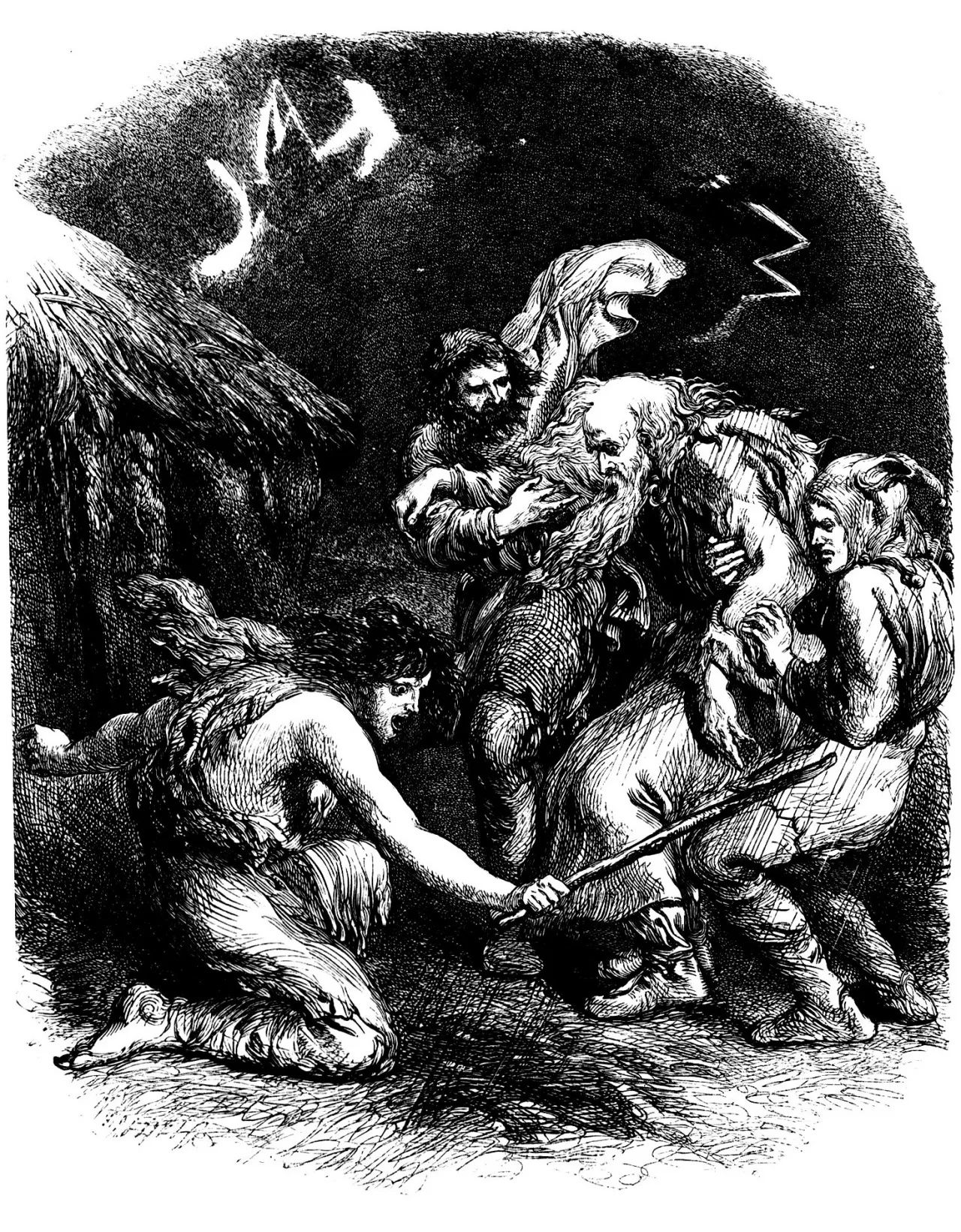
This talk explores two scenes of Lear’s mad play: in 3.6, when he hallucinates daughters that he then puts on trial, much to his companions’ dismay; and in 4.6, when he often seems to forget his sentences as soon as they are said, claims to be almost omnipotent, and ridicules a blind man loyal to him.
Both scenes sound, and are, full of frustrations. But amid the frustration, I argue, therapeutic play takes place. From Erasmus onward, theorists of play often assume that play does or at least should exist not only for its inherent enjoyment or intensity, but also, and principally, for the help it gives with recognizing and negotiating ordinary reality, encouraging people to develop abilities that are useful beyond play’s domain. But Shakespeare’s portrayal of Lear finds value elsewhere, in forms of play that entertain, rather than dismiss or diminish, misrecognition, even when delusion and hallucination are involved. In 3.6, for instance, indulging in restless obsession yields much needed sleep, and in 4.6 Lear ranges through salutary strangenesses: forgetting clears the way for helpful memory, while bitter jokes about Gloucester’s brokenness give way to profound feelings of disability gain. Somehow, paranoia itself becomes a source of joy. In these scenes of mad play, the talk argues, Shakespeare transvalues vulnerability, reimagining what it could mean for age to be a “second childhood” or for disability to be something other than tragedy.
James Kuzner is Professor of English at Brown University. He is the author of three books:
- The Form of Love: Poetry’s Quarrel with Philosophy (Fordham, 2021);
- Shakespeare as a Way of Life: Skeptical Practice and the Politics of Weakness (Fordham, 2016); and
- Open Subjects: English Renaissance Republicans, Modern Selfhoods, and the Virtue of Vulnerability (Edinburgh, 2011).
Today’s talk is drawn from his current book project, tentatively titled Lear’s Dark Towers: Care, Irony, Disability.